
Back
The Evolution of Cast Iron Casting: Latest Trends and Innovations
Manufacturing
Jan 7, 2025
5 min read
Introduction
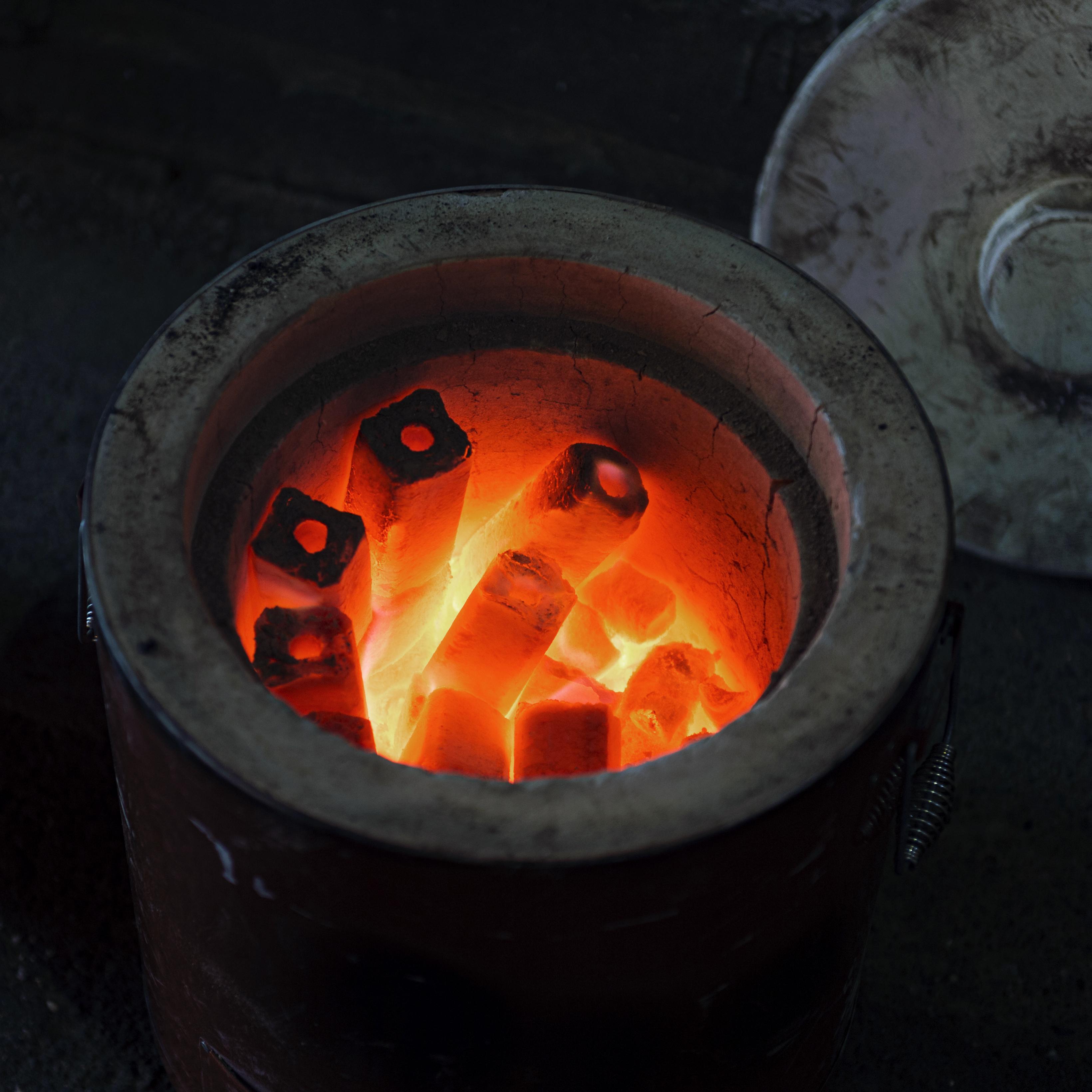
From ancient tools to modern machinery, cast iron casting has consistently revolutionized industries with its adaptability and strength. But what’s new in this age-old process? In this blog, we explore the latest advancements shaping the future of cast iron casting, focusing on cutting-edge materials, sustainable practices, and innovative technologies.
1. The Legacy of Cast Iron Casting
Cast iron casting has been a cornerstone of industrial development for centuries. Known for its durability, heat resistance, and cost-effectiveness, it remains a vital material in manufacturing. Today, its legacy continues with modern enhancements ensuring its relevance in a rapidly changing industrial landscape.
2. Latest Trends in Cast Iron Casting
Advanced Materials
Recent developments in alloy compositions have significantly improved cast iron’s strength and corrosion resistance. Innovations such as ductile iron and high-silicon cast iron are now being utilized in applications requiring enhanced durability and flexibility, such as automotive and marine industries.
Green Casting Technology
(Credit :- IQSdirectory)
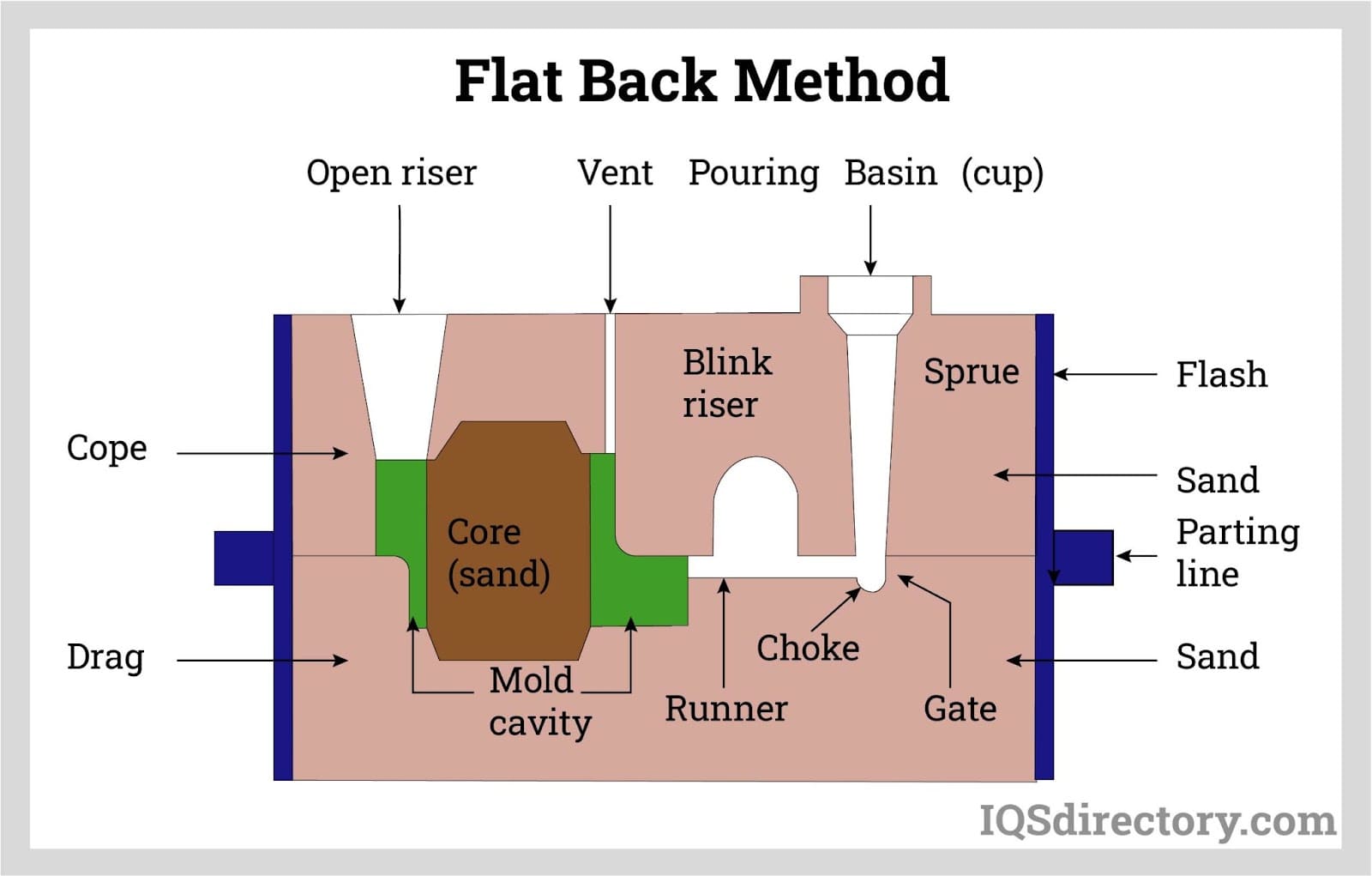
Eco-friendly practices are gaining traction. Foundries are adopting recycled materials and energy-efficient melting processes to reduce their carbon footprint. This shift not only addresses environmental concerns but also aligns with global sustainability goals.
Precision Casting
The integration of CNC machining and 3D printing into casting processes allows for intricate designs and improved accuracy. This advancement reduces material waste and ensures the production of high-quality components for industries like aerospace and healthcare.
Automated Foundries
Automation is transforming traditional foundries. Robotics and IoT-enabled devices are streamlining operations, while real-time monitoring systems detect and address defects immediately. This ensures efficiency and consistent product quality.
3. Key Applications Driving Demand
Automotive Industry
With the rise of electric vehicles (EVs), lightweight and high-performance cast iron components are in demand for battery housings and brake systems.
Renewable Energy
The renewable energy sector relies on durable cast iron parts for wind turbines and solar panel supports, ensuring long-lasting performance in harsh environments.
Infrastructure
Urban development projects use cast iron pipes and fittings for water distribution and sewage systems due to their strength and corrosion resistance.
Industrial Machinery
High-pressure castings are critical for pumps, compressors, and heavy machinery, ensuring operational efficiency and safety.
4. Challenges and Solutions in Modern Casting
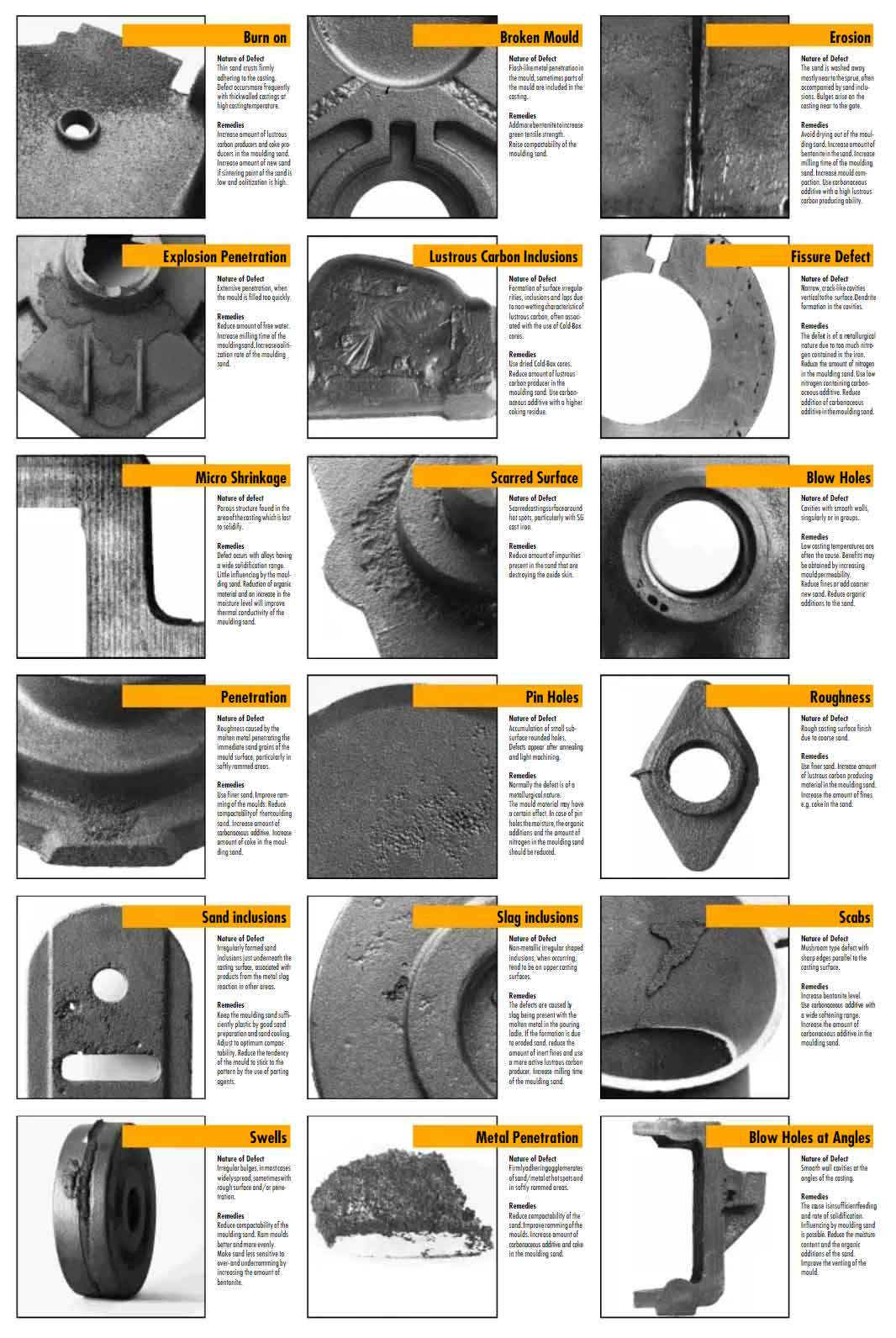
Challenges
(Credit :-ZHY)
Shrinkage and porosity during casting.
Surface defects affecting quality.
Environmental concerns due to emissions.
Solutions
AI-based quality control systems are minimizing defects by providing real-time data analysis.
Improved cooling and molding techniques enhance dimensional accuracy.
The adoption of green technologies reduces environmental impact.
5. The Future of Cast Iron Casting
Emerging technologies such as AI, machine learning, and augmented reality are set to revolutionize the casting industry. These tools will enhance process efficiency, reduce costs, and open new avenues in sectors like EVs and sustainable construction. The growth of smart foundries will also contribute to more streamlined and eco-friendly production practices.
Conclusion
The age-old process of cast iron casting is embracing modern technology to meet the demands of today’s industries. From advanced materials to green manufacturing, the future of cast iron casting is both innovative and sustainable. By staying informed about these advancements, businesses can leverage these technologies to gain a competitive edge.
Let’s continue to explore and innovate in this dynamic field, ensuring that cast iron casting remains a cornerstone of industrial progress for years to come.